Unlocking Creativity with 20 Unique Lined Journal Templates
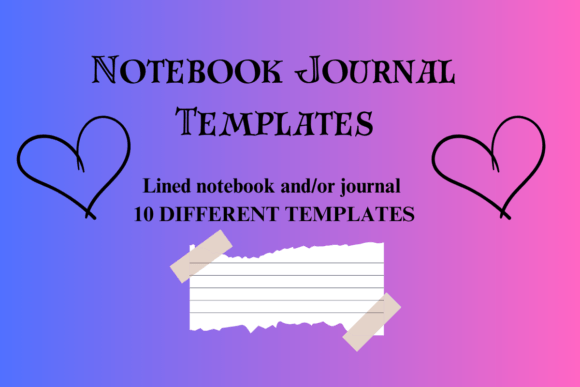
The physical act of writing remains a powerful tool for clarity and creativity. Yet, the blank page can be intimidating. For designers, entrepreneurs, and content creators, the structure of a lined notebook is not just about keeping text straight; it is about creating a framework for ideas. The Lined Notebook Journal 20 Templates collection addresses this need by offering a versatile toolkit for anyone who puts pen to paper, whether physically or digitally. This is not merely a collection of lines; it is a curated set of design assets that brings order, style, and personality to your planning and journaling process.
Visual Character and Style
At first glance, the appeal of these templates lies in their clean, intentional design. The collection moves beyond the standard, rigid ruled paper you might remember from school. Instead, you will find variations that cater to different aesthetic preferences and functional needs. Some templates feature classic, evenly spaced lines that evoke a sense of professionalism and order—ideal for meeting notes or formal business planning. Others embrace a more relaxed, modern typography feel, with wider spacing or subtle variations that suggest a handwritten font's warmth without sacrificing legibility.
The visual personality of the Lined Notebook Journal 20 Templates is one of adaptability. The line weights are carefully considered to be present enough to guide the eye but subtle enough not to overpower the ink or pencil marks you place upon them. This balance is crucial. A heavy, dark line can make a page feel cluttered and restrictive, while a line that is too faint fails at its primary job of guidance. These templates hit a sweet spot, offering a supportive background that enhances, rather than competes with, your content. The overall style is one of understated utility, making them a perfect foundational element for a wide range of projects.
Where These Templates Shine: Practical Applications
The true value of a versatile design asset is measured by its utility across different projects. The Lined Notebook Journal 20 Templates are engineered for cross-platform and cross-medium use, making them indispensable for a broad audience.
For the entrepreneur or small business owner, these templates transform into professional planners. Use the structured, tighter-lined pages for financial tracking, inventory logs, or client notes. The more open layouts become ideal for brainstorming sessions, mind mapping, or drafting project proposals. They provide a consistent, branded look to your internal documentation, which can subtly reinforce professionalism within your team.
Designers and marketers will find them invaluable for the ideation phase. Sketching out campaign flows, writing ad copy, or planning editorial calendars feels more organized when done on a clean, lined template. They can also be used to create mockups for client presentations, showing how content might lay out in a final publication or on a website. This practical application of design assets streamlines the creative process.
In the realm of publishing and content creation, these templates are a game-changer. Authors and bloggers can use them for manuscript drafting, character development, or content scheduling. The consistent line spacing helps gauge word count and pacing visually. For those creating digital products, the templates can be incorporated into printable planners or digital journals sold on platforms like Etsy or Creative Market, adding immediate value to your offerings.
Even for personal use, crafting, and hobbyists, the applications are endless. The templates can be printed for personal journals, gratitude logs, or recipe books. Scrapbookers can use them as background layers for handwritten notes. The variety of 20 different styles ensures that you can match the template's mood to the project's theme—be it a serene daily reflection or a dynamic goal-setting worksheet.
Guiding the Eye: Readability and Hierarchy
A well-designed lined template does more than organize; it guides the reader's eye and establishes a visual hierarchy. The spacing between lines—the leading—directly impacts readability. Tight leading can make dense text feel overwhelming, while excessive leading can disconnect related thoughts. The range within the Lined Notebook Journal 20 Templates allows you to choose the perfect leading for your content type. Dense research notes might call for a more compact layout, while reflective journaling benefits from the breathing room of wider spacing.
The lines themselves contribute to a subtle visual rhythm. They create a baseline grid, which in modern typography is a fundamental tool for aligning elements to create a clean, cohesive layout. When you use these templates, you are unconsciously applying this principle, resulting in notes and sketches that look more polished and intentional. This inherent structure can influence how you perceive your own work, lending it a sense of professionalism that can boost confidence and clarity.
Choosing and Integrating Your Template
With 20 options, selection is key. Start by evaluating the core need of your project. Is it for rapid brainstorming? Opt for a template with generous line spacing and perhaps a slightly heavier line weight to keep up with fast, loose writing. Is it for final draft notation or detailed planning? A template with finer lines and precise spacing will serve you better.
Consider the font pairing if you are combining these templates with digital text. A template with a classic, serif-inspired line style pairs beautifully with a serif font for headings in a printed report. A more minimalist, sans-serif lined template complements modern, clean digital layouts. Think of the lines as a silent partner to your chosen typeface.
Always test the template with your actual writing instrument. Print a sample page if you plan to use it physically. Does your preferred pen bleed? Does the pencil smudge? For digital use in apps like GoodNotes or Notability, test how the template feels under your stylus. The digital inking experience can vary based on the template's line opacity and spacing.
Finally, understand the licensing. For personal projects, the use is straightforward. If you plan to incorporate these templates into a commercial product—like a planner you sell or a client deliverable—ensure the license permits it. Most premium font and asset collections, including well-curated ones like this, offer clear commercial licensing, allowing you to use them with confidence in your professional work.
The Lined Notebook Journal 20 Templates are more than just digital paper. They are a foundational design asset that brings structure, style, and versatility to the essential human practice of writing. By thoughtfully selecting and applying the right template, you can elevate the clarity of your thoughts, the professionalism of your documents, and the overall aesthetic of your personal and commercial projects. They are a simple, powerful tool for anyone who creates.